The reviewer that's getting better than us
Every AI conversation I have now starts from where the last one ended. That’s a massive leap in how AI works with me.
My AI knows my clients, my KPIs, my coaching patterns. It knows what we talked about last time. It updates itself as we go.
That's because I've given my AI a Second Brain.
And if you have’t already, I think that you should do it too.
Marc’s GST review
A few weeks ago, in a session I ran with accountants, an accountant called Marc shared what he'd been doing with Copilot.
He'd been using it for GST and first-level reviews. Pretty standard. But then he did something different.
He picked up a job he'd already done himself and got Copilot to review it.
Here's what he said, verbatim: "It surfaced more issues than what I picked up. And when I went to check them, it was absolutely spot on with everything."
He then took new client ledgers that came across from other accountants and ran those through Copilot too. Same result. Miscoding. Things that needed to be fixed and redone. Found by Copilot, not the people.
He was so impressed that he got Copilot to write him a repeatable prompt. By the time he spoke to us, he'd done four GST reviews in half an hour, to a higher quality than what the humans had done before.
The shift I am seeing
We've all been trained to check AI's output. That's the right habit. Keep it.
But this story points at a second question: should AI be checking our output too?
The governance conversation in professional services has been stuck on one side of this. How do humans review AI? What controls do we need? How do we verify what it gives us?
The other side is more uncomfortable. AI reviewing us. Catching the things we missed. A second set of eyes that never gets tired, never gets bored, and has no stake in the outcome.
Marc didn't set out to test this. He just tried something. And in his words, it was absolutely spot on.
Context makes it even smarter
AI is smart, but it gets annoying when it is too generic.
The trick many are implementing now is to let it manage its own notes. Over time it builds context and gets sharper.
We give it access to a file, ask it to read it at the beginning of the chat, and to update it with what it’s learned at the end of the chat.
In the GST review example, that might look like: for this client, tools at Bunnings are a business expense. For this client, they're not. Purchases for this product are a client deposit. For that one, they're income.
The AI stops being generic. It becomes your best friend and a real ‘second brain’.
And think about how the knowledge compounds when we do this as a team… Our shared second brain. That’s big magic!
Try this
Take something you've already reviewed and consider complete. Load it into a fresh chat. Then ask:
"This is a … that I prepared for …. Review this for issues, errors, omissions, or anything that looks off. Be specific."
You can then add:
“What would make this even better?"
See what comes back. You don't have to act on everything it flags. But you might be surprised.
—
Inbal Rodnay
Guiding Firms in AI Adoption and Automation
Keynote speaker | AI Workshops | Executive briefings | The Tech Savvy Firm
Want to receive these updates straight to your inbox? Click here: www.inbal.com.au/join
When you are ready, here is how Inbal can help:
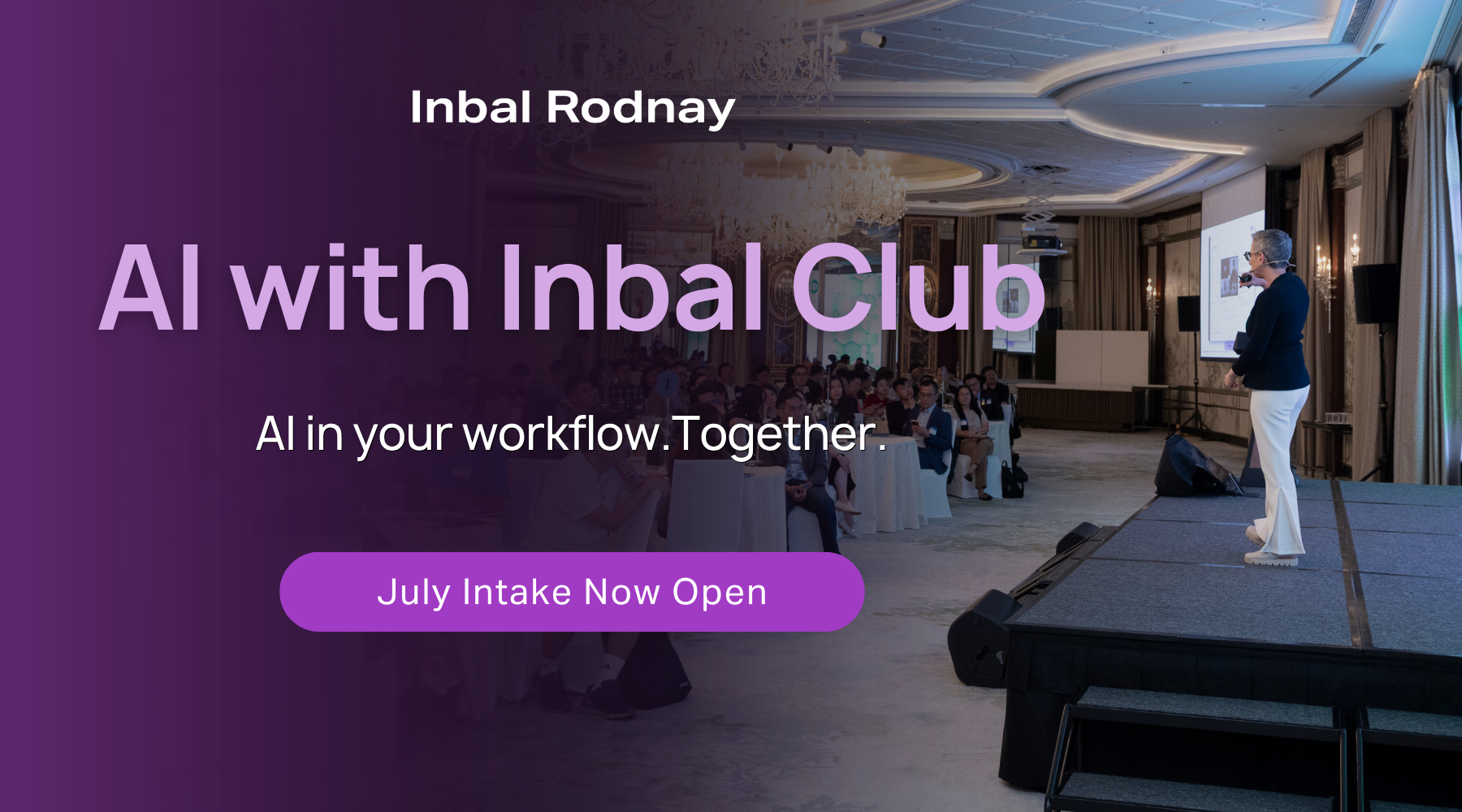
AI with Inbal
- Meetups: See what other firms are actually doing: real use cases, real results, no polish.
- The Radar: What to act on now, what to watch, and what to safely ignore
- The resource hub: prompt packs, policy templates, and implementation guides
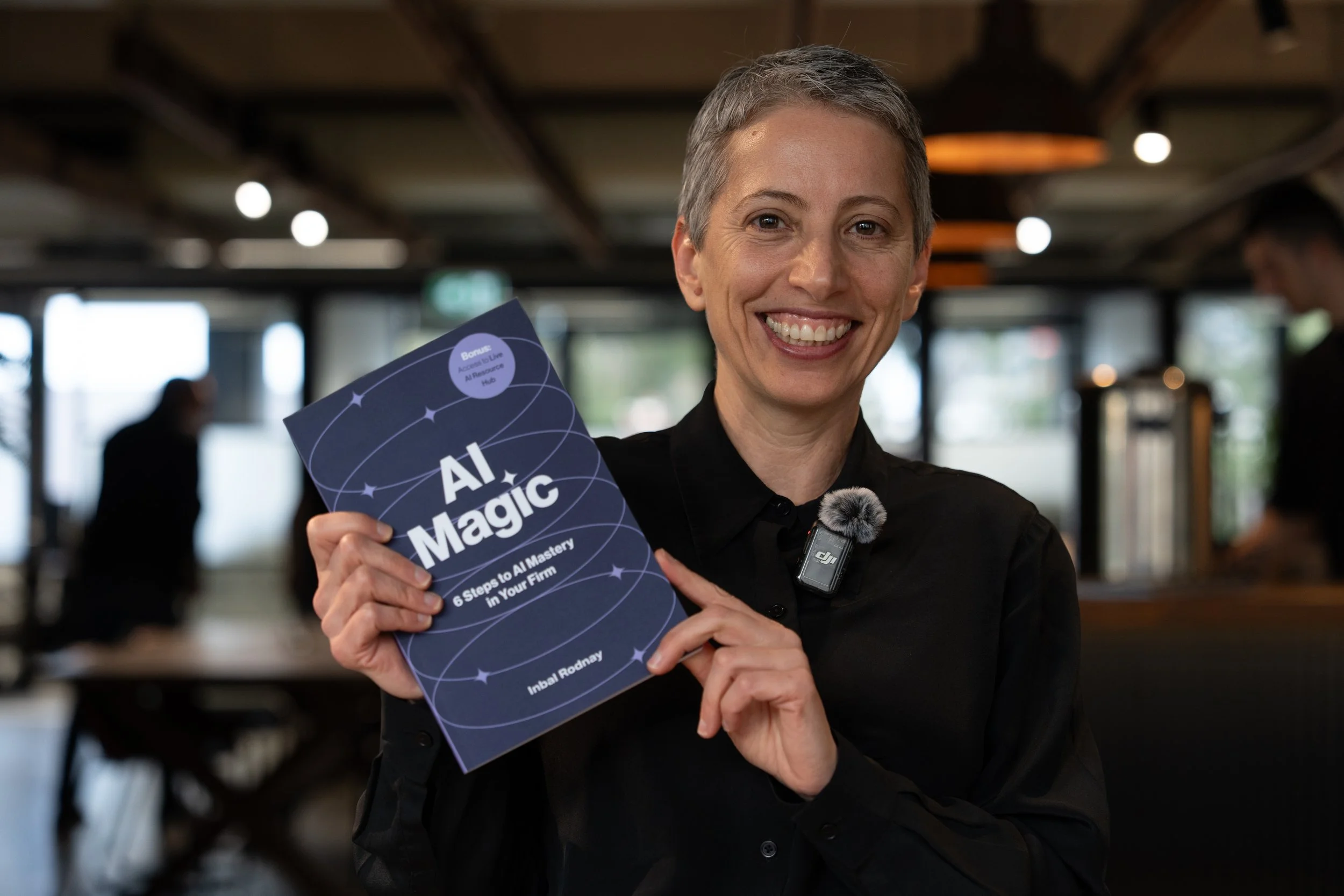
AI Magic: 6 Steps to AI Mastery In Your Firm:
- A step-by-step roadmap that shifts your firm from dabbling to safe, impactful AI Adoption
- A hands-on guide for mastering AI in your firm, solo practice, or team.
- Access to a live AI Resource Hub
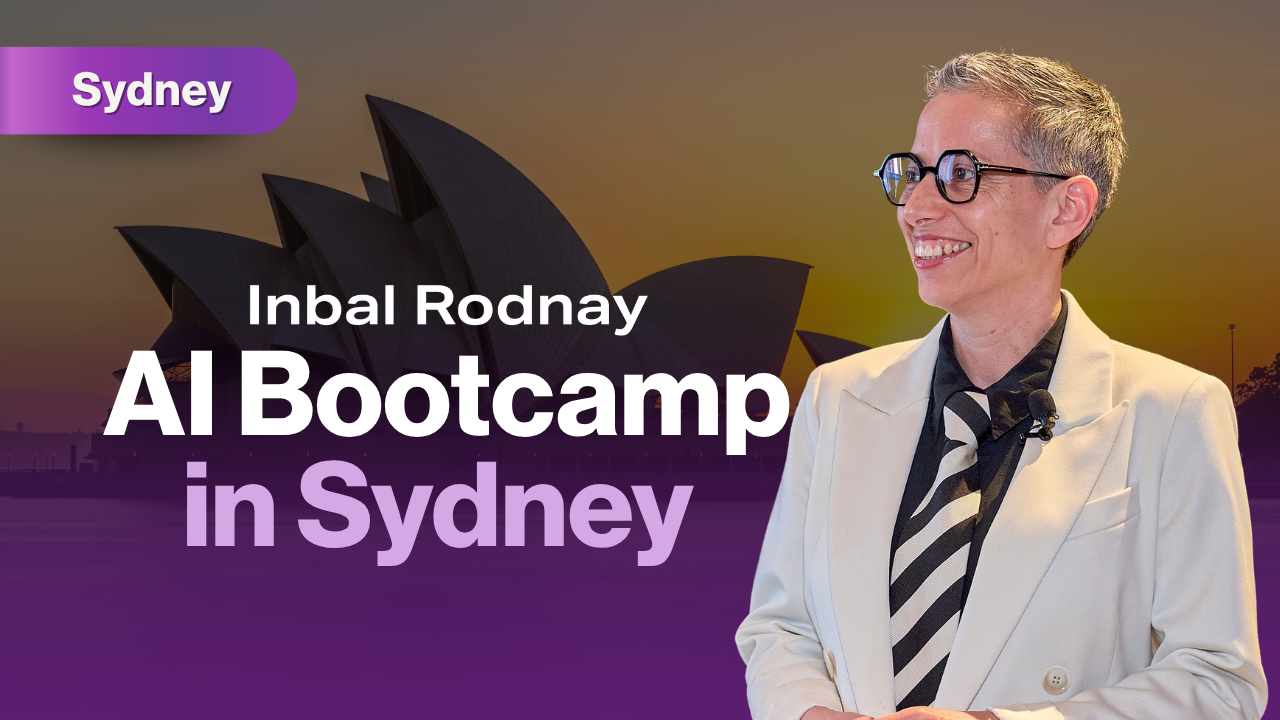
AI Bootcamp in Sydney
- Practical, business-safe AI use cases
- How to move from “sporadic prompting” to real workflow
- What AI agents are, and what they can do for you right now